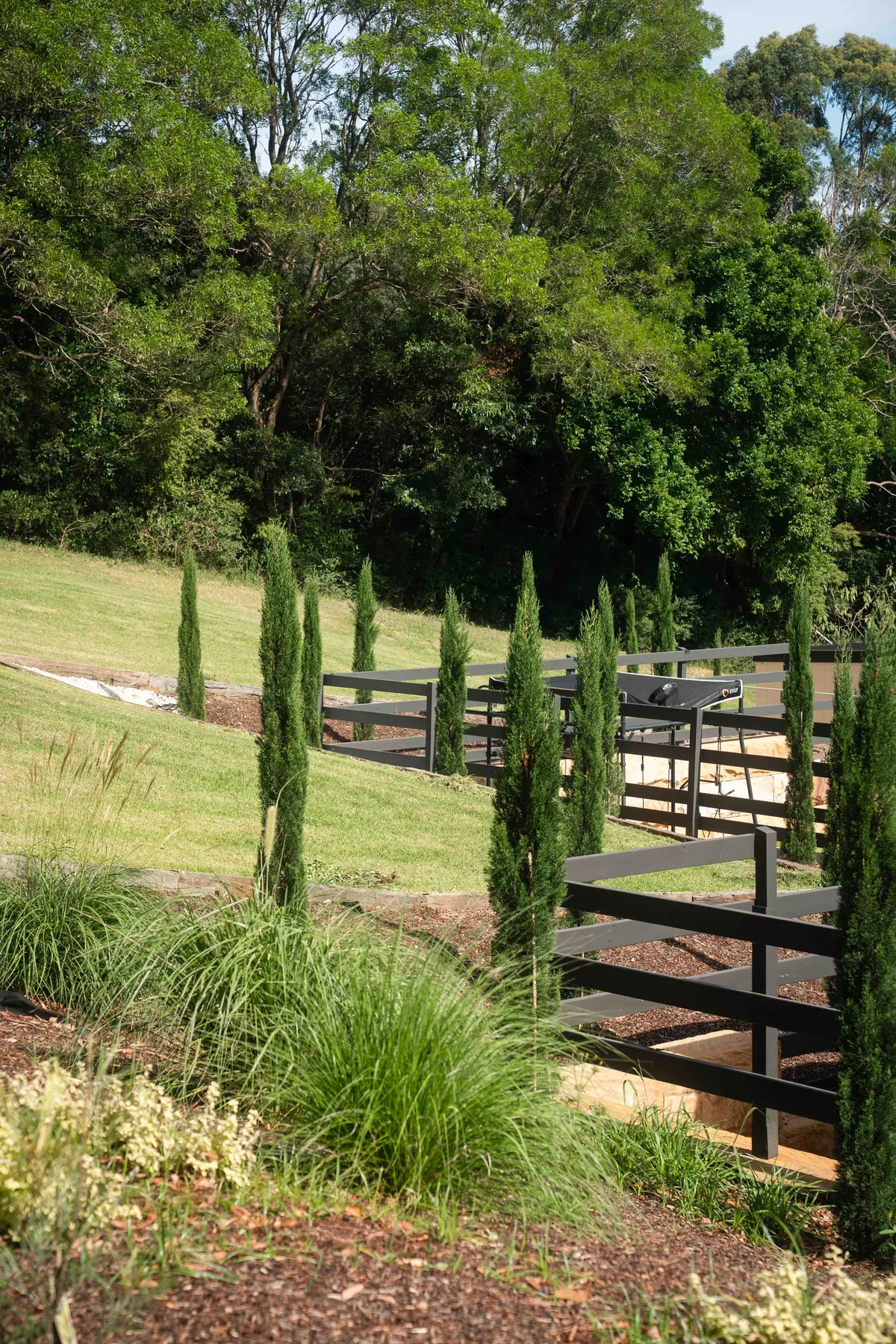
What's a good landscaping budget?
Start with your goals and the size of the property. As a rule of thumb for NSW homes:
- Light refresh: tidy-up, planting, turf, small repairs
- $5,000 to $20,000
- Mid-scale upgrade: new design, planting, irrigation, paving or decking, a small wall, lighting
- $25,000 to $75,000
- Full transformation: structural works, premium paving, decking, outdoor kitchen, pool surrounds, drainage
- $80,000 to $250,000+
Compact yards sit at the lower end; sloping blocks and large lots push higher because of excavation, access and engineering.
Why landscaping costs what it does
You're paying for design, skilled trades, compliant construction, engineered structures and materials that stand up to sun, salt and storms. The big cost drivers are access, excavation, drainage and base preparation, compliant footings, approvals and licensed trades.
Good workmanship saves money: paving doesn't sink, decks don't squeak, walls don't move and plants thrive. Cheap fixes often get rebuilt within two years.
Typical cost ranges in NSW
- Design, concept to construction drawings
- $1,500 to $8,000+
- Concrete or basic pavers
- $120 to $350+ per m²
- Natural stone or porcelain
- $250 to $600+ per m²
- Retaining walls
- $350 to $1,200+ per m²
- Hardwood decking
- $350 to $700+ per m²
- Composite decking
- $400 to $900+ per m²
- Planting and turf, with soil prep
- $80 to $250+ per m²
- Feature trees
- $400 to $2,500 each
- Automated irrigation
- $2,500 to $12,000+
- Garden lighting
- $1,200 to $10,000+
- Ongoing maintenance
- $250 to $600+ per month
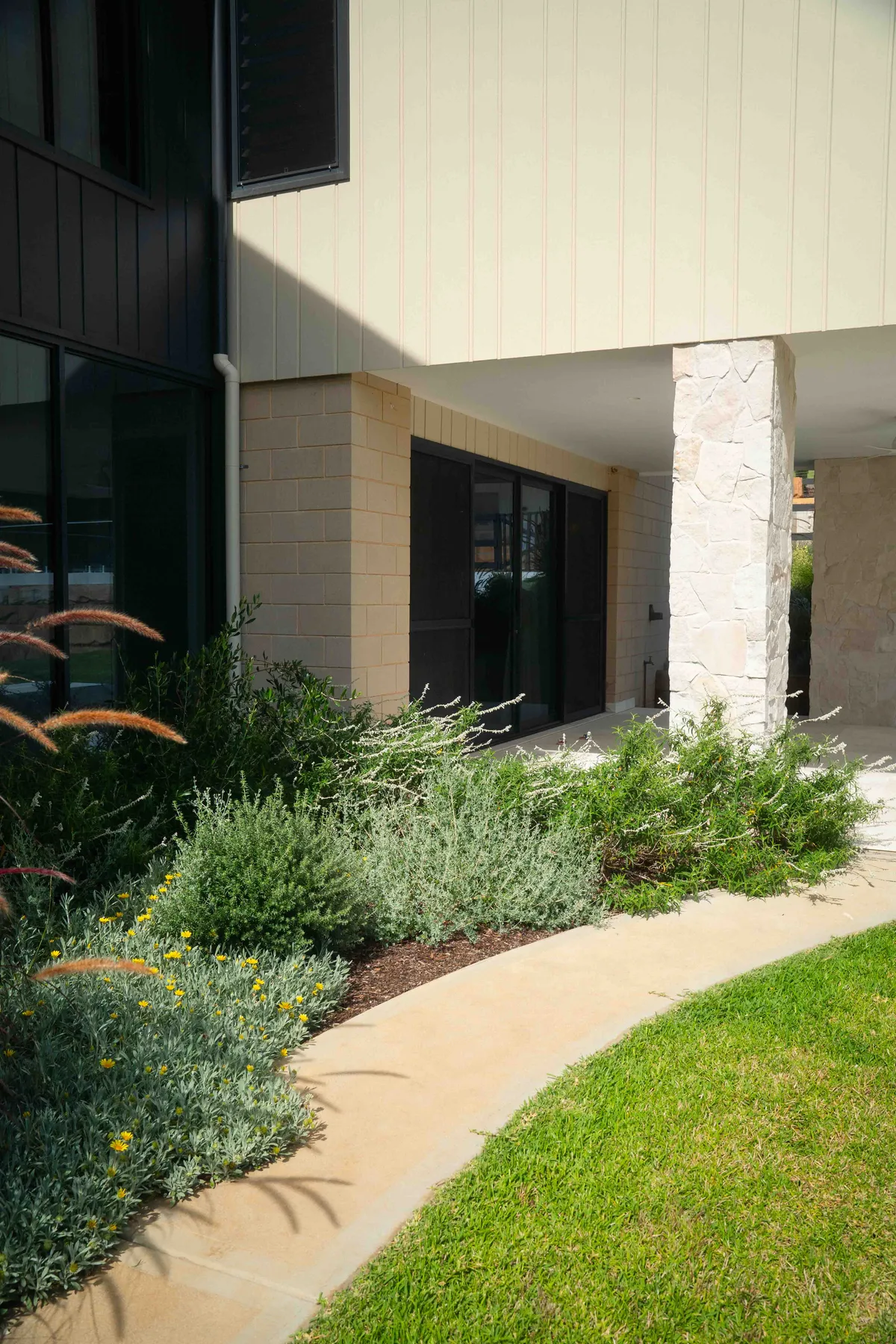
Where to spend for the biggest impact
- Structure and levels. Retaining walls and drainage are the backbone of a usable garden. Poor drainage is the fastest way to wreck paving, lawns and planting.
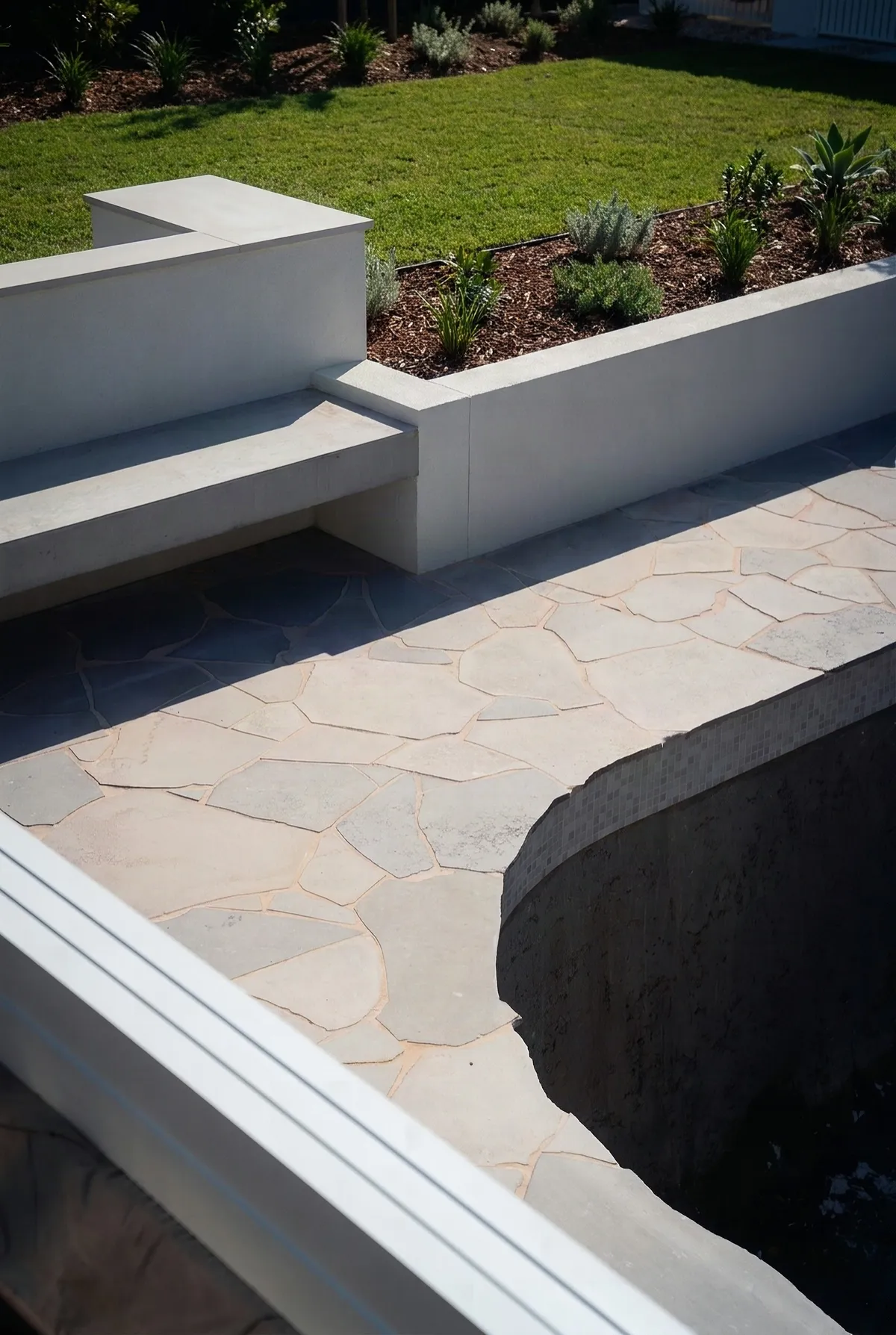
- Surfaces. Quality paving for paths, alfresco areas and pool surrounds, with slip ratings to suit wet areas.
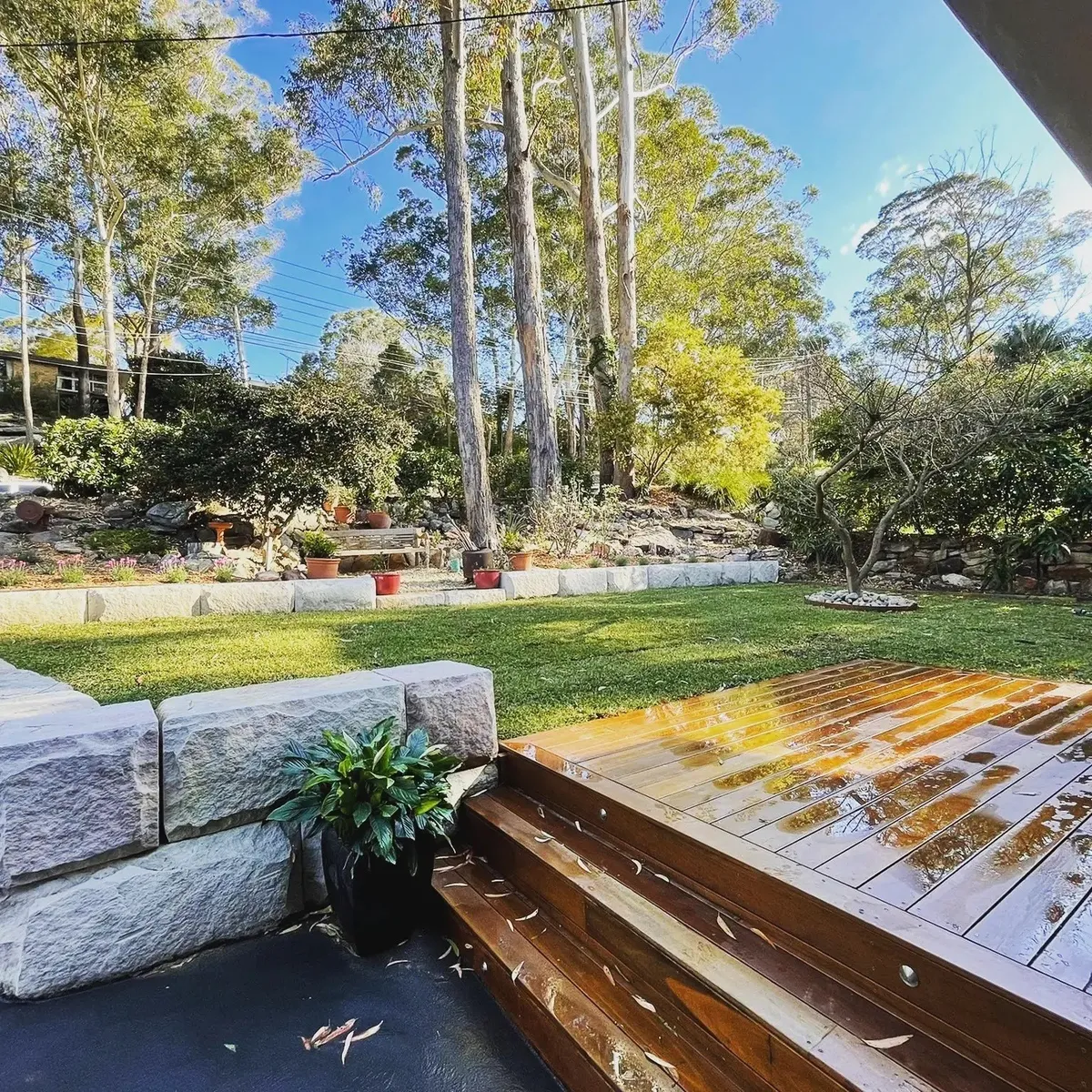
- Decking. Links indoor living to the garden. On the coast, stainless fixings and good ventilation are a must.
- Soil and irrigation. Plants establish faster and need replacing less.
- Lighting. A few circuits on entries, steps and feature trees make evenings special and add security.
What adds the most value
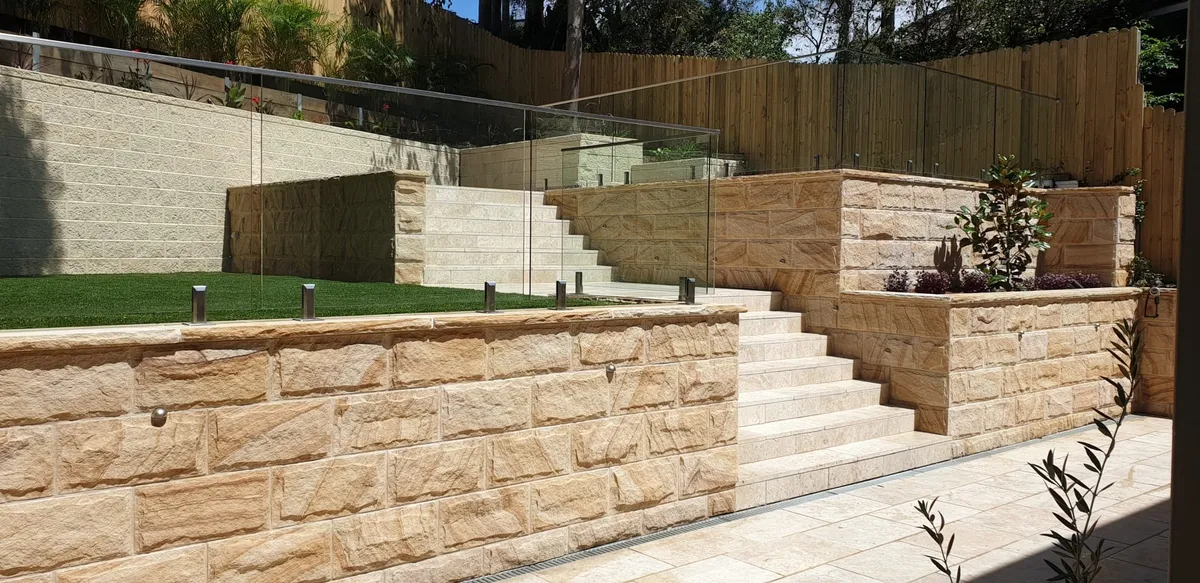
Usable space that looks great every day: terracing with retaining walls, a generous entertaining area in quality paving, and a deck that opens from the living room. Add layered planting, irrigation and lighting and you have a garden that photographs well and feels effortless to use.
Budget-savvy swaps
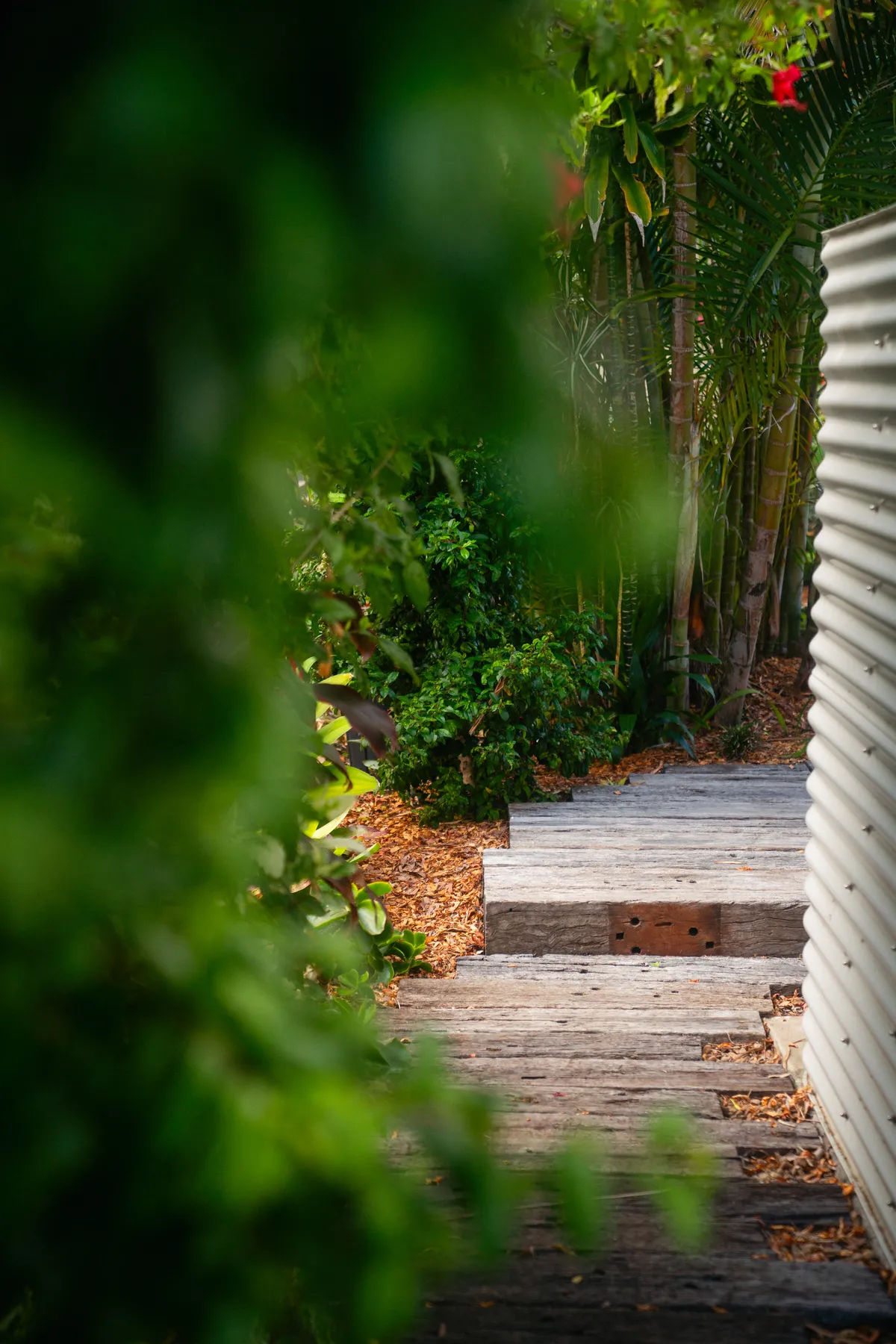
- Concrete sleepers with a stone-clad return instead of full masonry.
- Large-format concrete pavers in a premium finish instead of full-thickness sandstone.
- Tube stock mixed with a few advanced feature plants; the garden fills in within a season or two.
- Build the structure now and add pergolas, kitchens or elaborate planting in stage two, with conduits laid in stage one.
- Resilient groundcovers instead of lawn in shady or windy spots.
Landscaping on a tight budget
- Fix access, safety and drainage first: levels, paths, steps and stable slopes.
- Keep the palette simple. Fewer materials means less waste and cutting.
- Choose hardy natives suited to the Coast; they establish quickly and use less water.
- Do the painting, mulching and simple planting yourself. Leave retaining, structural decks and electrical to licensed pros.
- Compare quotes like for like: inclusions, base prep, drainage and warranties.
Council and climate tips
Retaining walls over certain heights, decks near boundaries and significant cut or fill can need approval and engineering; bushfire, flood and coastal overlays add rules. Expect salt air, high UV, heavy downpours and long dry spells, so choose coastal-rated fittings, stainless fixings, UV-stable finishes and salt-tolerant plants, and design drainage for intense rain.
Common questions
How much does landscaping cost in NSW?
Most family homes spend $25,000 to $150,000 on substantial improvements; premium, sloping or pool-heavy projects run higher.
What is the cheapest way to landscape?
A light refresh: tidy, edge and mulch the beds, plant drought-tolerant natives from tube stock, and add a gravel path or steppers in decomposed granite.
What landscaping adds the most value to a home?
Terracing with retaining walls, a generous paved entertaining area and a deck linked to the living room, finished with planting, irrigation and lighting.
How much contingency should I allow?
Hold 10 to 15 percent for hidden rock, access challenges or upgrades you choose once the space takes shape.
Planning something like this?
We'll walk the block with you and talk through ideas, timing and budget.
See our garden design & planting work